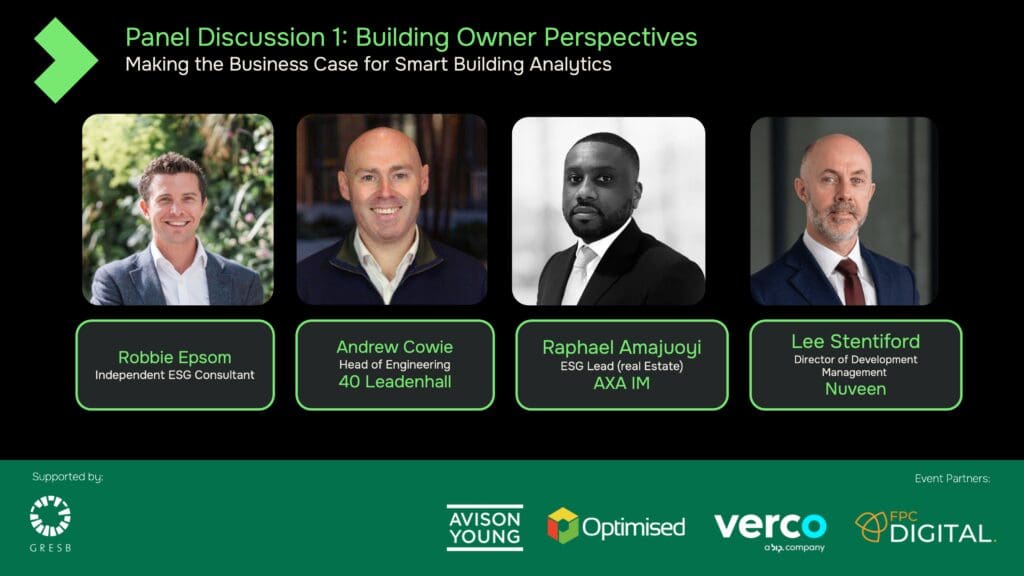
Bueno Analytics Événement Londres 7 mai 2026 - Comment l'IA transforme les opérations des bâtiments
Session 2 : Comment la maintenance axée sur les données au Royaume-Uni fait évoluer l'analyse des bâtiments au-delà des tableaux de bord énergétiques
Lors de l'événement de Bueno Analytics à Londres, Comment l'IA transforme les opérations de bâtiment, un panel de leaders de l'industrie a exploré l'une des transitions les plus importantes qui se déroulent actuellement dans l'immobilier commercial : le passage de la surveillance de l'énergie et des tableaux de bord à l'analyse opérationnelle, à la détection et au diagnostic des défauts (FDD) et à la maintenance basée sur les données au Royaume-Uni.
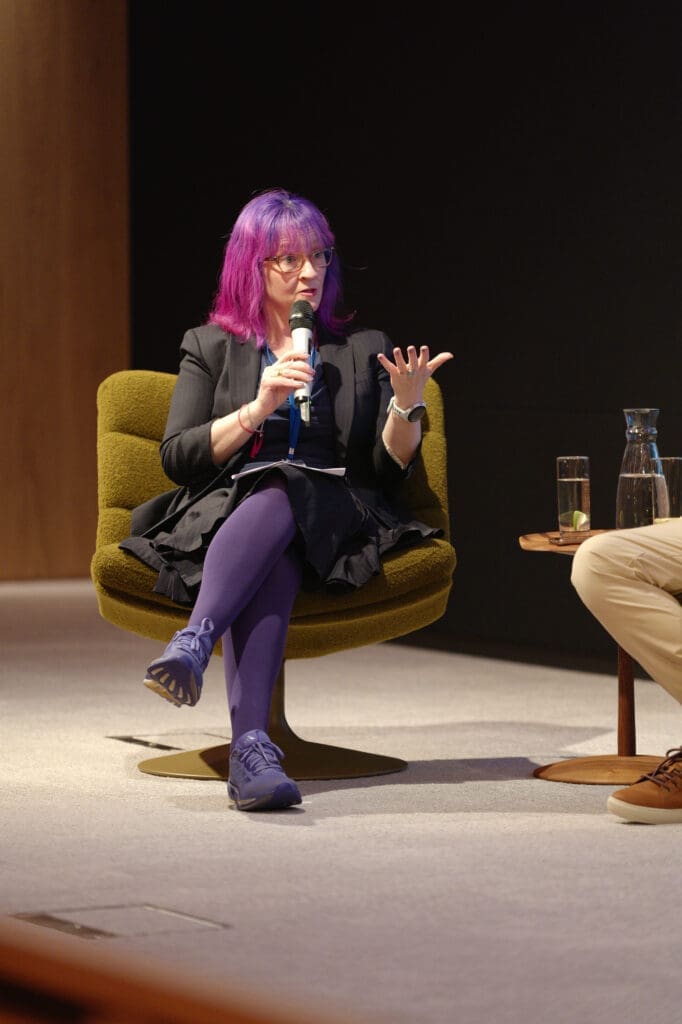
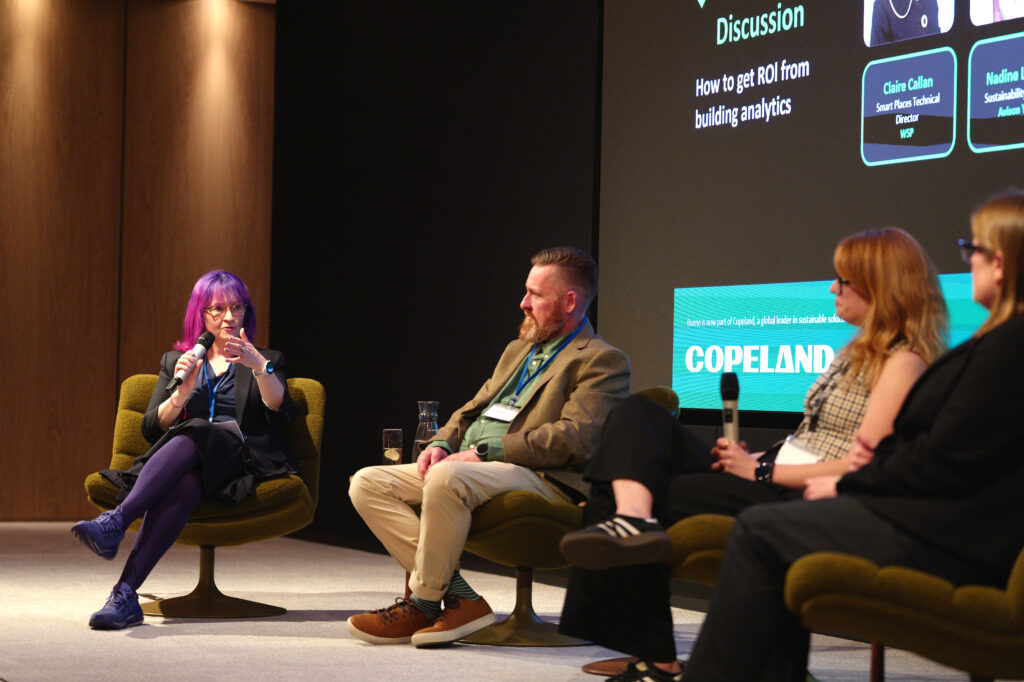
Modéré par Claire Callan, Directrice Technique des Lieux Intelligents chez WSP, le panel a rassemblé les perspectives opérationnelles, de durabilité et d'ingénierie de :
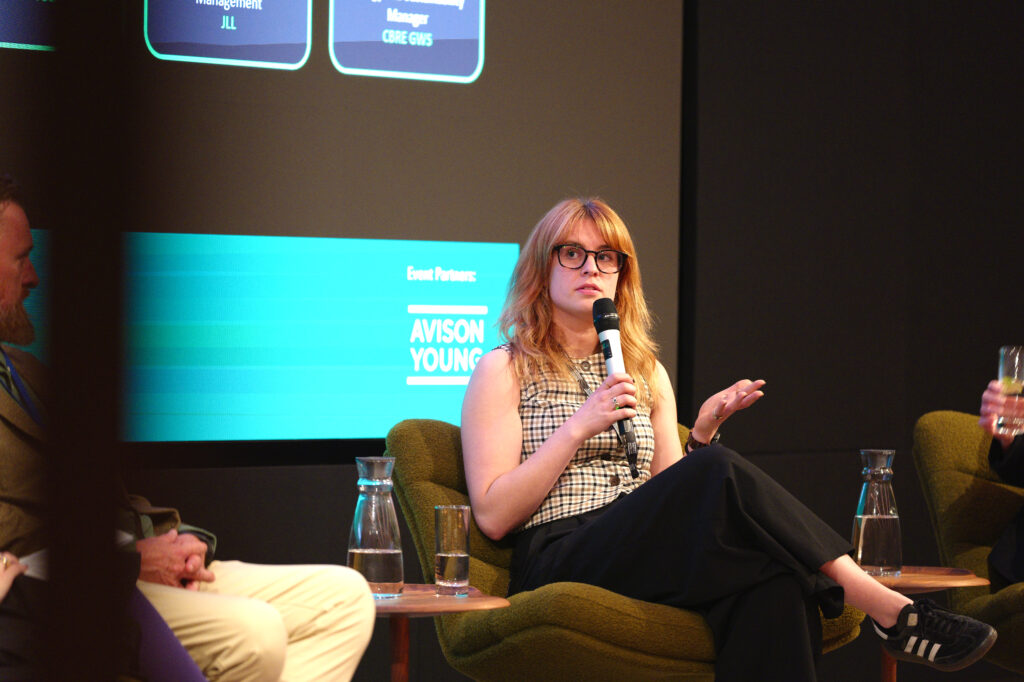
- Allan Fourie, JLL
- Nadine Lawless, Avison Young
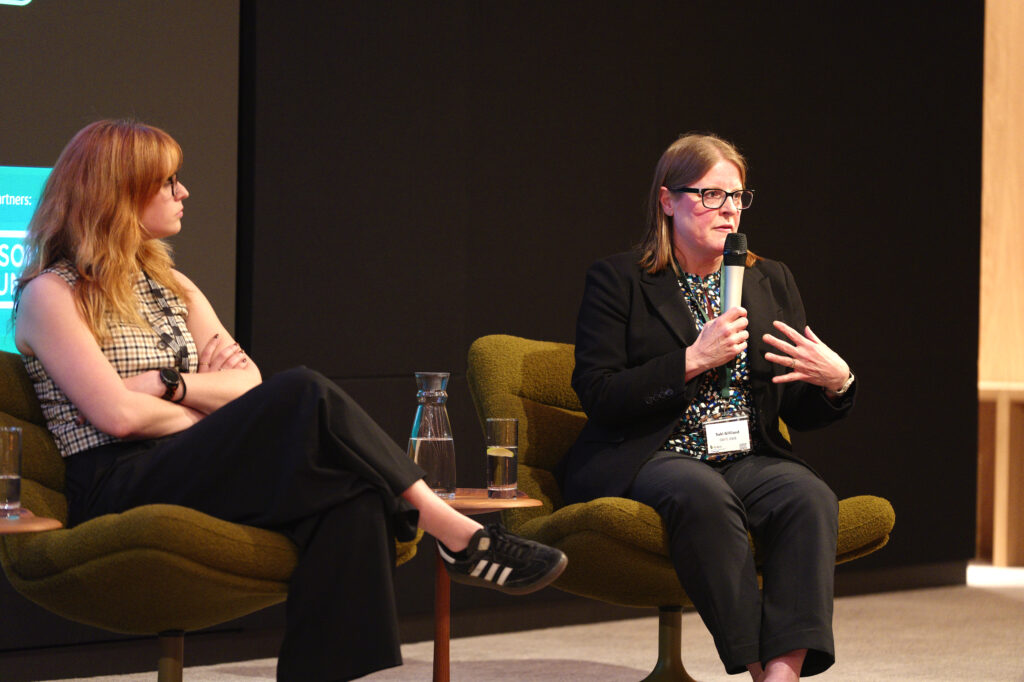
- Suki Gilliland, CBRE GWS
La discussion a porté sur les raisons pour lesquelles la gestion énergétique des bâtiments entiers n'apporte souvent que des améliorations progressives, et sur la manière dont la prochaine étape de l'optimisation des bâtiments repose de plus en plus sur l'analyse au niveau des équipements, les flux de travail opérationnels et les stratégies de maintenance assistées par l'IA.

Pourquoi la maintenance pilotée par les données au Royaume-Uni dépasse les tableaux de bord
L'un des thèmes les plus clairs abordés lors du panel était que l'industrie s'éloigne progressivement des tableaux de bord énergétiques statiques pour se tourner vers une analyse des bâtiments plus axée sur les opérations.
Bien que la mesure et le reporting restent importants, la discussion a souligné que de nombreuses organisations posent désormais une question plus pratique :
quelles actions opérationnelles sont effectivement prises à partir des données ?
Le panel a exploré comment la Maintenance Basée sur les Données (Data-Driven Maintenance) au Royaume-Uni est de plus en plus utilisée pour :
- prioriser les problèmes opérationnels
- identifier les inefficacités CVC cachées
- améliorer les flux de travail de maintenance
- réduire la recherche de pannes réactives
- optimisation continue
Ce changement opérationnel modifie également le rôle des plateformes d'analyse à l'intérieur des bâtiments.
Au lieu de simplement rapporter les performances, les plateformes d'analyse modernes sont de plus en plus attendues pour aider les équipes d'ingénierie et de maintenance à :
- identifier les défauts plus rapidement
- prioriser les actions
- valider la remédiation
- améliorer le confort des locataires
- optimisation continue dans le temps
La réalité de l'optimisation opérationnelle
Un thème particulièrement fort tout au long de la discussion était la réalité opérationnelle derrière l'optimisation des bâtiments.
Le panel a réaffirmé que les outils d'analyse seuls ne génèrent pas automatiquement d'améliorations de performance. Les succès dépendent toujours fortement de l'engagement de l'ingénierie, de la gouvernance, des processus opérationnels et de l'adoption comportementale.
“Ce n'est pas une baguette magique. Si les ingénieurs ne sont pas impliqués, vous paierez des droits de licence chaque année sans rien en retirer.”
— Allan Fourie, JLL
Allan s'est exprimé franchement sur le défi de l'introduction de nouvelles technologies au sein des équipes opérationnelles, notamment lorsque les ingénieurs peuvent initialement percevoir l'analyse comme une charge de travail supplémentaire ou une menace pour les processus existants. Il a souligné qu'un déploiement réussi dépend de la capacité à rendre les outils véritablement utiles pour les opérations quotidiennes.
Le panel a également discuté de la façon dont l'optimisation opérationnelle peut se dégrader avec le temps si les bâtiments ne sont pas surveillés en permanence.
Nadine Lawless a souligné un exemple où le retour des systèmes à leurs réglages d'origine lors de la mise en service a entraîné des économies d'énergie significatives après une dérive opérationnelle survenue après la réception.
“Apporter des modifications aux inefficacités de votre GTC a un faible coût mais une récompense élevée. Il s'agit d'éduquer et de communiquer cela aux bonnes personnes.”
— Nadine Lawless, Avison Young
Cela a renforcé l'un des thèmes majeurs de la soirée : de nombreux bâtiments contiennent déjà des opportunités d'économies opérationnelles, mais le défi consiste souvent à les identifier, à les communiquer et à agir sur elles de manière cohérente.
IA, FDD et analyse au niveau de l'équipement
Le panel a également exploré le rôle croissant de l'IA dans l'analyse des bâtiments et la maintenance basée sur les données au Royaume-Uni.
Claire Callan a noté que si les capacités de l'IA évoluent rapidement, le succès du déploiement de l'IA repose encore largement sur :
- qualité des données
- la gouvernance
- intégration opérationnelle
- flux de travail fiables
Elle a également souligné la tension croissante entre l'innovation technologique rapide et la confiance opérationnelle au sein des grandes organisations.
L'IA est très utile maintenant pour trouver des signaux dans le bruit. Parfois, elle trouve aussi du bruit dans le bruit.”
— Claire Callan, WSP
La discussion a confirmé que les cas d'utilisation les plus précieux pour l'IA impliquent actuellement :
- identifier les inefficacités cachées
- surfaçage d'anomalies opérationnelles
- améliorer la priorisation
- réduction du temps d'analyse manuelle
- aider les équipes opérationnelles élargies à interpréter des données complexes sur les bâtiments
Suki Gilliland a partagé des exemples concrets de la façon dont les analyses au niveau de l'équipement et les règles de détection de défauts (FDD) peuvent identifier des problèmes qui resteraient autrement cachés au sein des opérations normales du bâtiment.
“Vous voulez constamment atteindre la cible en matière d'optimisation.”
— Suki Gilliland, CBRE GWS
Le panel a discuté d'exemples comprenant :
- chauffage et refroidissement simultanés
- les vannes qui fuient
- dégradation des performances au fil du temps
- chaudières fonctionnant inutilement
- gaspillage d'énergie caché à l'intérieur des systèmes de contrôle
De manière importante, la discussion a renforcé que la véritable valeur du Data-Driven Maintenance UK ne réside pas simplement dans l'identification des défauts, mais dans l'intégration de l'analyse dans les flux de travail opérationnels quotidiens.
L'aspect humain de la maintenance basée sur les données au Royaume-Uni
L'une des idées les plus fortes de la session a été que l'adoption réussie de l'analytique reste autant une question de personnes et de culture opérationnelle que de technologie elle-même.
Le panel est revenu à plusieurs reprises sur les thèmes concernant :
- changement de comportement
- disponibilité opérationnelle
- collaboration
- communication
- adoption par les utilisateurs
Claire Callan a décrit comment de nombreuses organisations investissent maintenant dans des programmes structurés d'adoption technologique pour aider les équipes opérationnelles à intégrer l'analyse dans leurs flux de travail quotidiens.
La conversation a également renforcé l'idée que la maintenance axée sur les données au Royaume-Uni ne consiste pas simplement à ajouter plus de données dans les bâtiments. Au lieu de cela, il s'agit de créer des cadres opérationnels qui aident les équipes à :
- interpréter l'information plus rapidement
- réduire le temps d'investigation
- prioriser les actions à forte valeur ajoutée
- maintenir l'optimisation en continu
- améliorer la cohérence opérationnelle
Ce changement devient de plus en plus important à mesure que les contraintes de main-d'œuvre, les pénuries d'ingénieurs et la complexité croissante des bâtiments continuent d'affecter le marché britannique.
De la surveillance à l'intelligence opérationnelle
Alors que le panel se concluait, un message clair est apparu :
L'avenir de l'analyse des bâtiments est opérationnel.
L'immobilier commercial évolue constamment au-delà des tableaux de bord statiques et des rapports annuels vers une gestion continue des performances opérationnelles soutenue par :
- FDD
- Analyse pilotée par l'IA
- Maintenance axée sur les données au Royaume-Uni
- optimisation au niveau de l'équipement
- flux opérationnels
- commissionnement continu
La session a offert aux participants un aperçu pratique de l'évolution de l'analyse des bâtiments, passant d'un outil de surveillance à une couche d'intelligence opérationnelle soutenant les équipes d'ingénierie, les objectifs ESG et la performance à long terme des bâtiments.
La discussion a également renforcé le fait que, si l'IA et l'analytique deviennent de plus en plus puissantes, le succès à long terme dépend toujours de la combinaison de la technologie avec l'engagement opérationnel, la gouvernance et les pratiques d'optimisation continue.
Le risque des plateformes d'IA immatures
L'un des moments les plus sincères de la session s'est déroulé lors de la discussion finale sur la croissance rapide des startups d'IA entrant sur le marché de l'analyse des bâtiments.
Le panel a reconnu que si l'IA et l'analyse opérationnelle apportent désormais une réelle valeur à l'immobilier commercial, le marché se retrouve également encombré de nouvelles plateformes qui font des affirmations d'optimisation généralisées, sans la maturité opérationnelle ou les bases de données historiques nécessaires pour les soutenir de manière fiable.
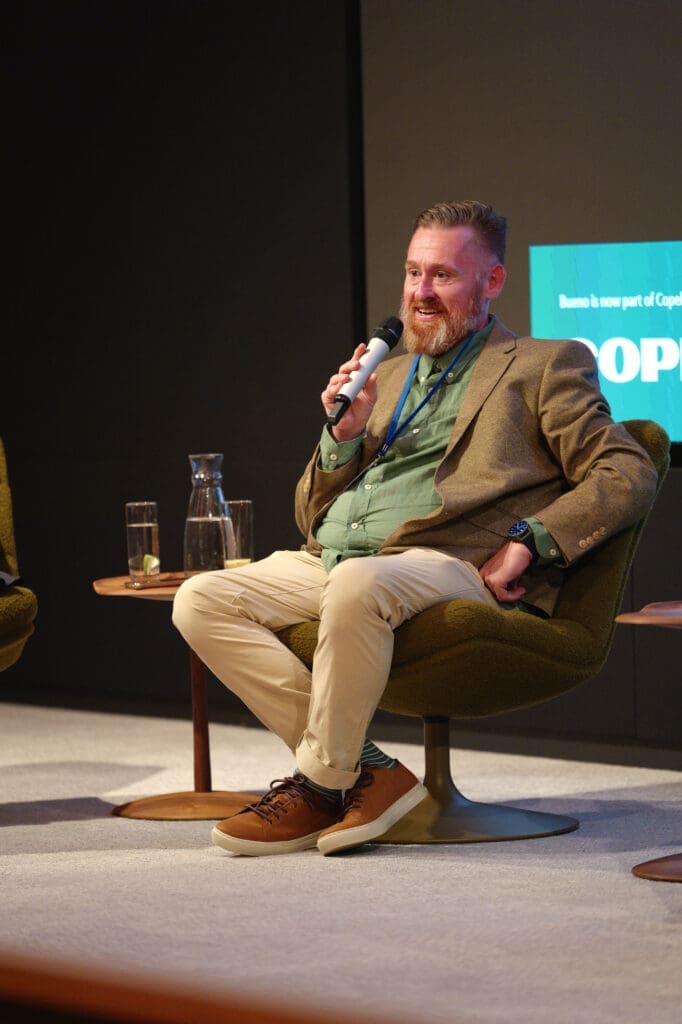
Allan Fourie a souligné les préoccupations concernant le nombre d'entreprises émergentes d'optimisation de l'IA qui entrent actuellement sur le marché européen, avertissant que des plateformes immatures avec une histoire opérationnelle limitée peuvent créer des risques importants pour les clients si les solutions ne parviennent pas à produire les résultats attendus à grande échelle.
La discussion a renforcé l'idée que l'optimisation réussie pilotée par l'IA repose fortement sur :
- jeux de données opérationnels à long terme
- modèles d'apprentissage automatique matures
- expertise du domaine
- scalabilité
- validation opérationnelle
plutôt que de simplement superposer des interfaces d'IA sur des données immobilières historiques limitées.
“La première question est toujours : quelle est la date de vos données ?”
— Allan Fourie, JLL
Allan a également souligné l'importance de comprendre si les plateformes ont fait leurs preuves à grande échelle dans de véritables environnements opérationnels, en particulier dans le cadre de portefeuilles vastes et complexes.
Le panel a discuté de la manière dont les projets d'analyse mal mis en œuvre peuvent créer une hésitation à long terme au sein des organisations, ralentissant l'adoption plus large de l'analyse opérationnelle et réduisant la confiance dans les futurs déploiements technologiques.
Points clés à retenir
Hugh Amoyal a réitéré que l'analyse des bâtiments nécessite des connaissances techniques et opérationnelles approfondies, et pas seulement des compétences en développement de logiciels.
“Ces choses demandent une expertise du domaine.”
— Hugh Amoyal, Bueno Analytics
La session s'est conclue sur un message plus large pour l'industrie :
Alors que l'adoption de l'IA s'accélère dans l'immobilier commercial, les propriétaires de bâtiments et les équipes opérationnelles vont au-delà des déclarations marketing et se concentrent davantage sur :
- crédibilité opérationnelle
- capacité d'ingénierie
- maturité des données
- résultats mesurables
- scalabilité à long terme
Cette discussion de clôture est devenue l'un des thèmes les plus forts de la soirée, renforçant l'idée que l'avenir de l'IA opérationnelle dans les bâtiments dépendra non seulement de l'innovation, mais aussi des performances opérationnelles prouvées et d'une prestation fiable.
Si vous souhaitez discuter de la manière dont la maintenance axée sur les données au Royaume-Uni, la détection et le diagnostic de défaillances (FDD) et l'analyse opérationnelle peuvent améliorer les performances des bâtiments et réduire la charge de travail de maintenance sur votre portefeuille, contactez Bueno Analytics pour plus d'informations.